
Transforming lives
with groundbreaking treatments
Our Mission
Coultreon Biopharma's mission is to develop life-changing medicines for patients affected by chronic inflammatory diseases of high unmet medical needs. The team is leveraging their knowledge and expertise to bring transformative innovations to patients suffering from auto-immune diseases. In this field, there is an urgent need for more convenient oral drugs that can offer greater efficacy with a better safety profile.
Our Immunology Focus
Living with chronic inflammatory diseases extends far beyond managing physical symptoms. These conditions impose a profound and lasting burden on patients’ lives as recurring flares contribute to significant psychological distress and social stigma.
Although advances in targeted therapies have improved outcomes for many patients, achieving and maintaining disease control remains elusive across multiple chronic indications due to an efficacy ceiling and loss of response, which limit long-term benefit.
The next major advance is expected to come from therapeutics capable of modulating multiple validated inflammatory pathways simultaneously, ideally delivered in a safe, well tolerated and convenient oral form to support sustained adherence.

Our Pipeline

Key role of SIK 3
Autoimmune diseases are driven by dysregulated immune responses characterized by excessive production of pro-inflammatory cytokines such as TNFα and IL-12/23, coupled with insufficient immunoregulatory control.
Salt-inducible kinases (SIKs) play a central role in regulating this balance. Among the SIK family, we have demonstrated that SIK3 is the key isoform controlling inflammatory response in human immune cells, making it a compelling therapeutic target.
SIK3 pathway
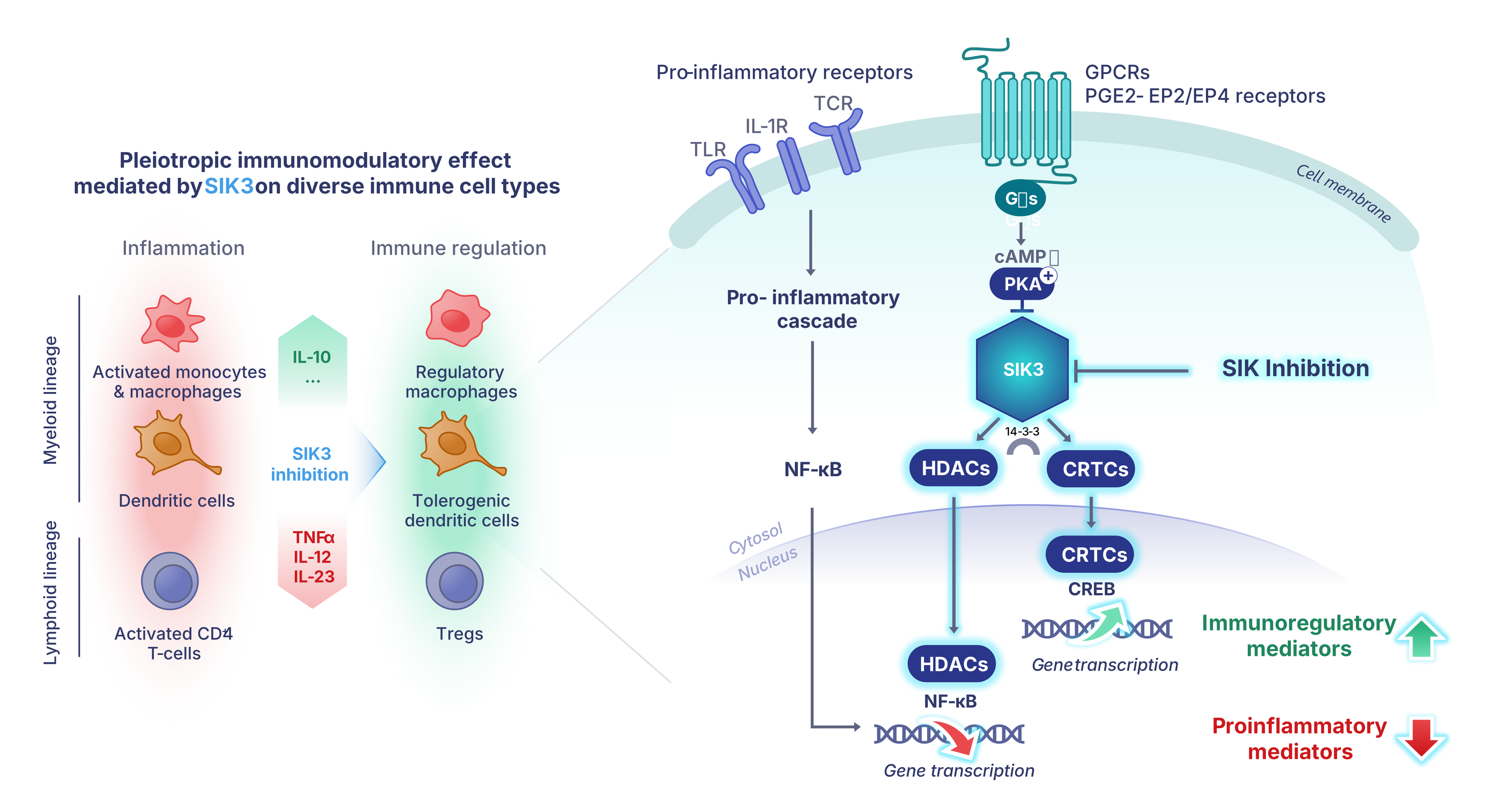
SIK3 acts downstream of GPCR-cAMP signalling and functions as a molecular switch, linking inflammatory NF-κB pathways with immunoregulatory CREB-dependent transcription.
In immune cells, SIK3 phosphorylates HDACs, preventing their shuttling to the nucleus and thereby promoting the transcription of NF-κB-dependent pro-inflammatory genes such as TNFα, IL-12 and IL-23.
SIK3 also phosphorylates CRTCs, preventing their shuttling to the nucleus and stopping them from binding to CREB, which reduces the transcription of immunoregulatory mediators like IL-10.
COL-5671: SIK3 inhibitor
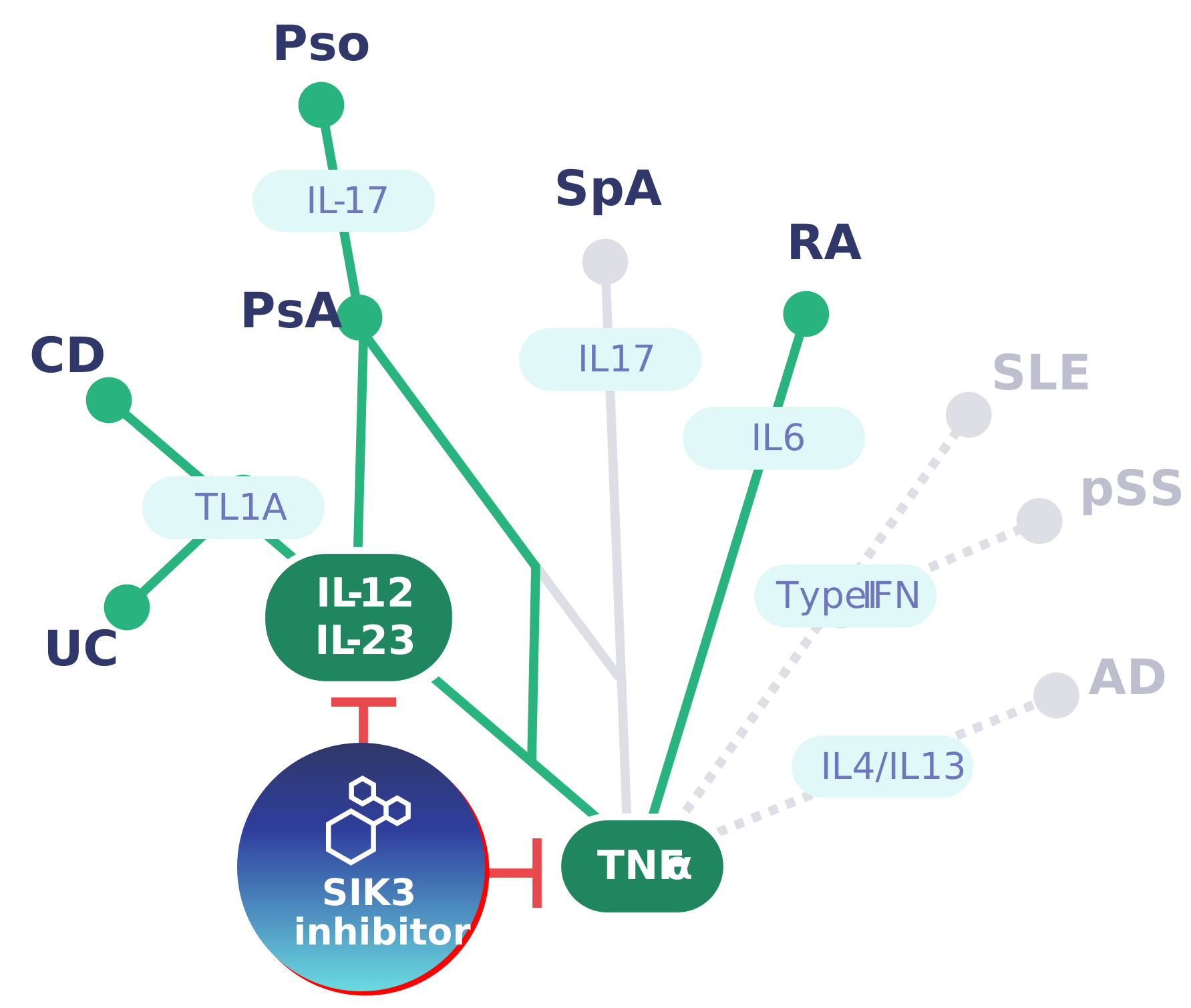
Inhibition of SIK3 mimics the well-established anti-inflammatory effects of intracellular cAMP elevations. As a consequence, both HDACs and CRTCs can shuttle to the nucleus, where they simultaneously suppress the expression of pathogenic cytokines, including TNFα, IL-12 and IL-23, and promote IL-10 production, a critical mediator of immune resolution. This dual action enables restoration of immune balance rather than simple cytokine blockade.
Our selective SIK3 inhibitor COL-5671 resembles a combination of anti-TNFα and anti-IL-23 therapies, but in a single, orally available small molecule. As such, it offers the potential to break the therapeutic ceiling of existing treatments in diseases such as ulcerative colitis in a convenient once daily oral therapy.
Restoring immune balance
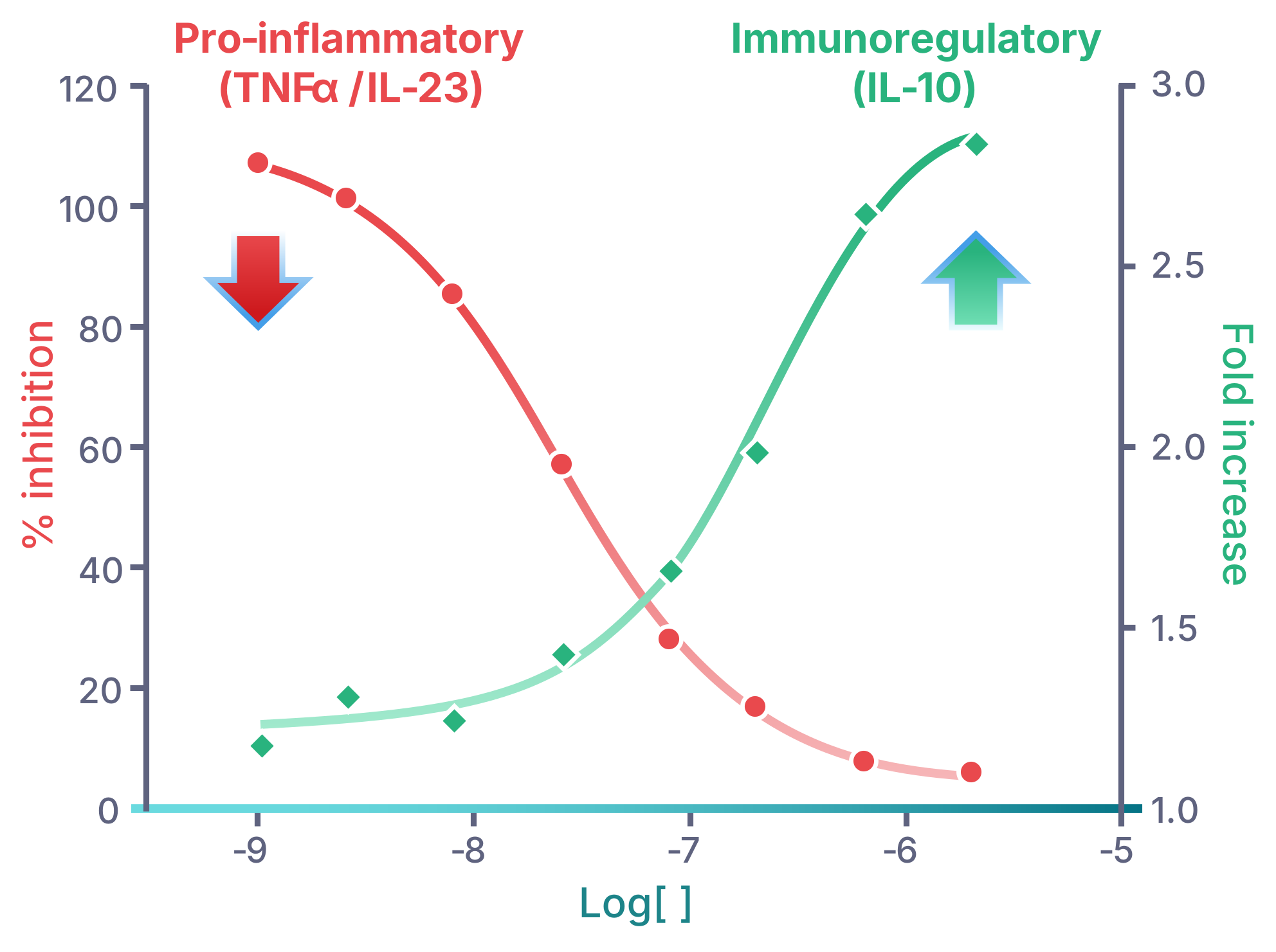
Through extensive translational research, we have demonstrated that selective SIK3 inhibition is sufficient to drive maximal anti-inflammatory and pro-resolving activity across primary human immune cells, complex systems such as whole blood, and multiple preclinical disease models.
Importantly, these effects are achieved without the need to inhibit SIK2, an isoform associated with dose-limiting safety liabilities.
Clinical results
COL-5671 is a first-in-class, highly selective SIK3 inhibitor that has successfully progressed through multiple cohorts in a first-in-human clinical study. The study demonstrated a favourable safety and tolerability profile, together with a highly attractive pharmacokinetic profile, including a long half-life and low inter-participant variability.
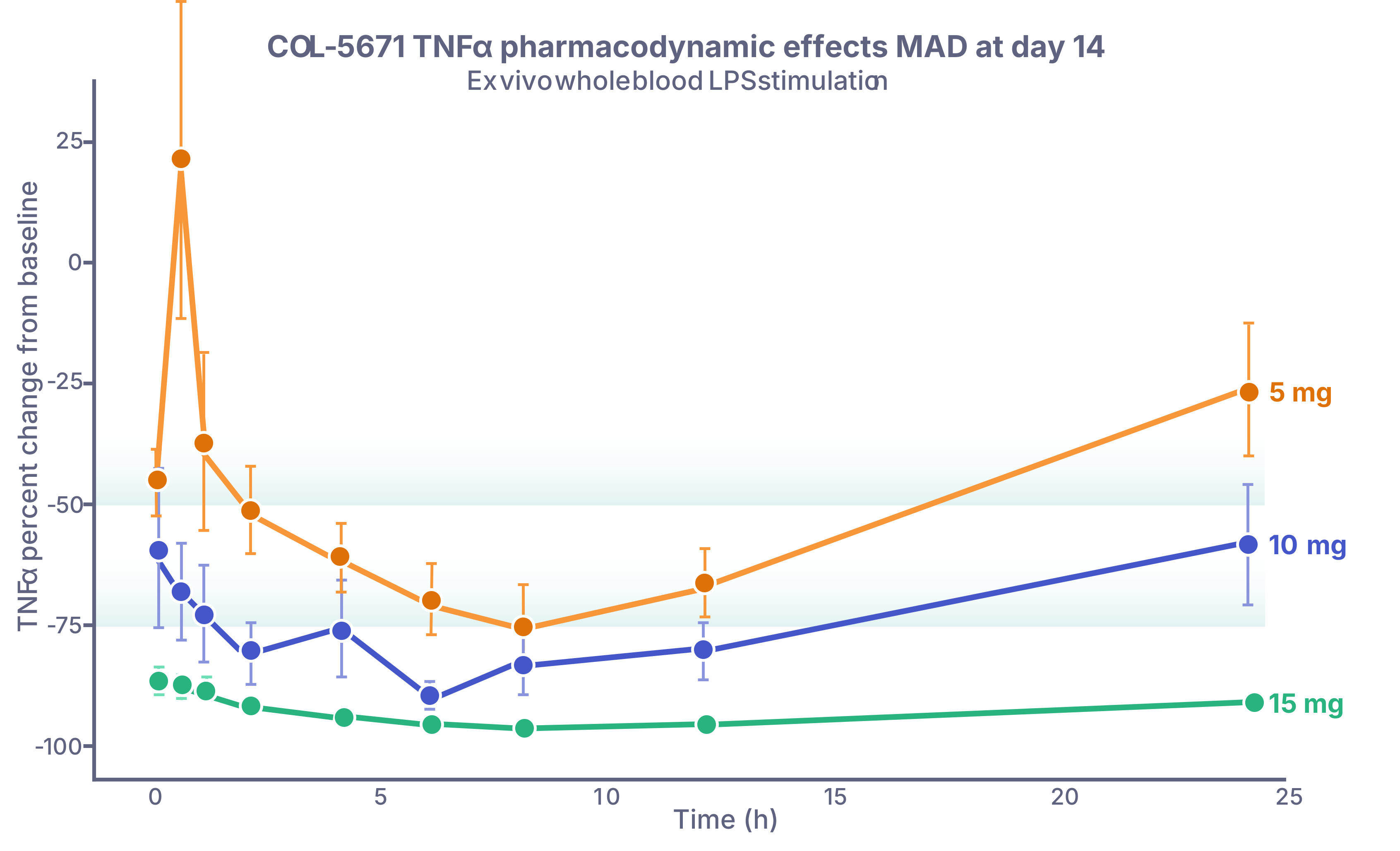
Importantly, COL-5671 showed potent and sustained pharmacodynamic activity, with strong inhibition of key inflammatory cytokines in the blood of treated participants. These results support continued clinical development of COL-5671 across multiple immune-mediated inflammatory diseases as presented at ECCO 2026.
Clinical pharmacodynamic data with our SIK3 inhibitor COL-5671 further confirm that maximal TNFα suppression in humans occurs at exposures covering SIK3, but not SIK2, activity.
Our capabilities
Data driven drug discovery
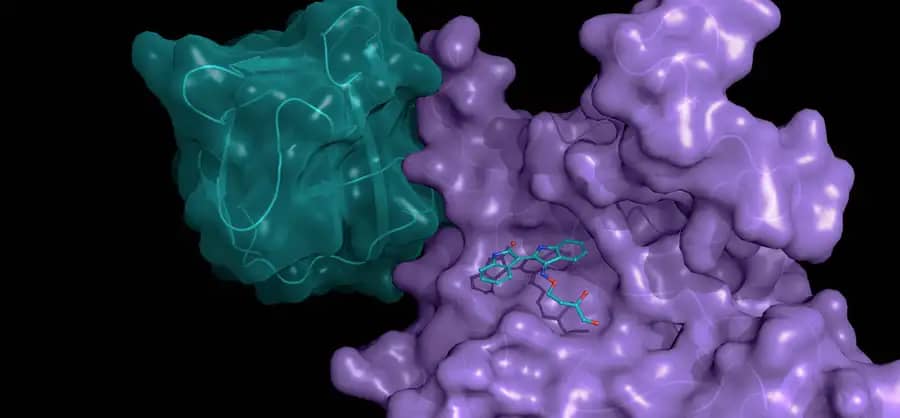
The team leverages a proprietary AI-augmented drug design platform trained on a dataset of >300,000 compounds to integrate AI-driven modelling, structure-based design, early safety prediction and human dose projections, together with expert medicinal chemistry into a continuous learning loop that optimises lead assets for clinical success.
This approach forms the foundation of the Design-Predict-Make-Test-Analyze cycle, enabling faster and more informed decision-making. Our platform continuously learns from experimental results and provides real-time feedback to scientists, empowering them to focus on what they do best: designing and delivering the next generation of best-in-class treatments with greater efficiency and reduced toxicity.
Our Leading Position in SIK3
Unlike many first-in-class medicines, the biological rationale for Coultreon's SIK3 program is the result of over a decade's worth of research and development efforts. The team has leveraged learnings from previous drug candidates to inform the current program. In drug discovery and development, human clinical data is the ultimate north star to guide drug design, as preclinical models can only do so much.
In the case of Coultreon, no other organization has the same SIK pathway knowledge, and that experience has put us in an excellent position to become leaders in the SIK inhibitor field.
Our Vision
Aim for breaking the efficacy ceiling for hard to treat diseases with safe and effective drugs
Optimize for patient convenience and quality of life: one pill, once a day
Leverage unique proprietary expertise and data from previous programs
Ready to Learn More?
Discover how our innovative research is shaping the future of therapeutic medicine.